
North vs. South St. Lucia: Which Side Is Right for Your Honeymoon?
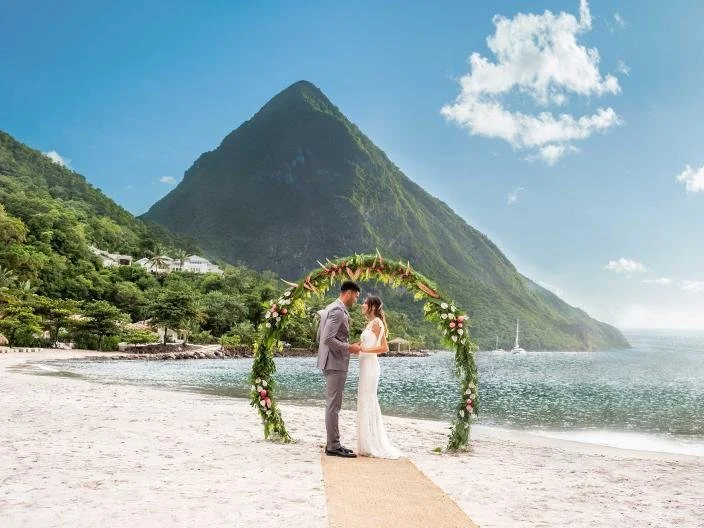
Wedding couple at Sugar Beach
You've decided on St. Lucia for your honeymoon. Smart choice — arguably the most romantic island in the Caribbean. But now comes the question almost every couple runs into once they start actually researching: north or south?
It sounds like a small logistical detail. It isn't. The two sides of the island are genuinely different in character, scenery, vibe, and what they offer a couple on a honeymoon. Choosing the right one can elevate your trip from great to unforgettable. Choosing the wrong one — or not thinking about it at all — is one of the most common planning mistakes I see.
This guide will walk you through exactly what each region offers, which types of travelers tend to love each side, and how to think through the decision for your specific trip. If you're still figuring out which resorts are on each side, the Best Resorts in St. Lucia guide is a great place to start.
First: Why Does It Matter So Much?
St. Lucia is a mountainous island — lush, dramatic, and not particularly easy to drive across. The main road connecting the north and south takes anywhere from 1.5 to 2.5 hours depending on your destination and the road conditions that day. That's not a complaint; it's just the reality. Which means where you base yourself largely determines what your trip looks and feels like.
The north and south aren't just different geographically — they have completely different personalities. A week at Sandals Grande in the north and a week at Jade Mountain in the south are almost like two different islands. Both extraordinary. Both worth considering. But not interchangeable.
The North: Rodney Bay, Cap Estate & Gros Islet
The north of St. Lucia is the more developed, more accessible part of the island. The hub is Rodney Bay — a calm bay dotted with restaurants, a marina, beaches, and the kind of easy, low-key island energy that makes it simple to relax and explore at your own pace.
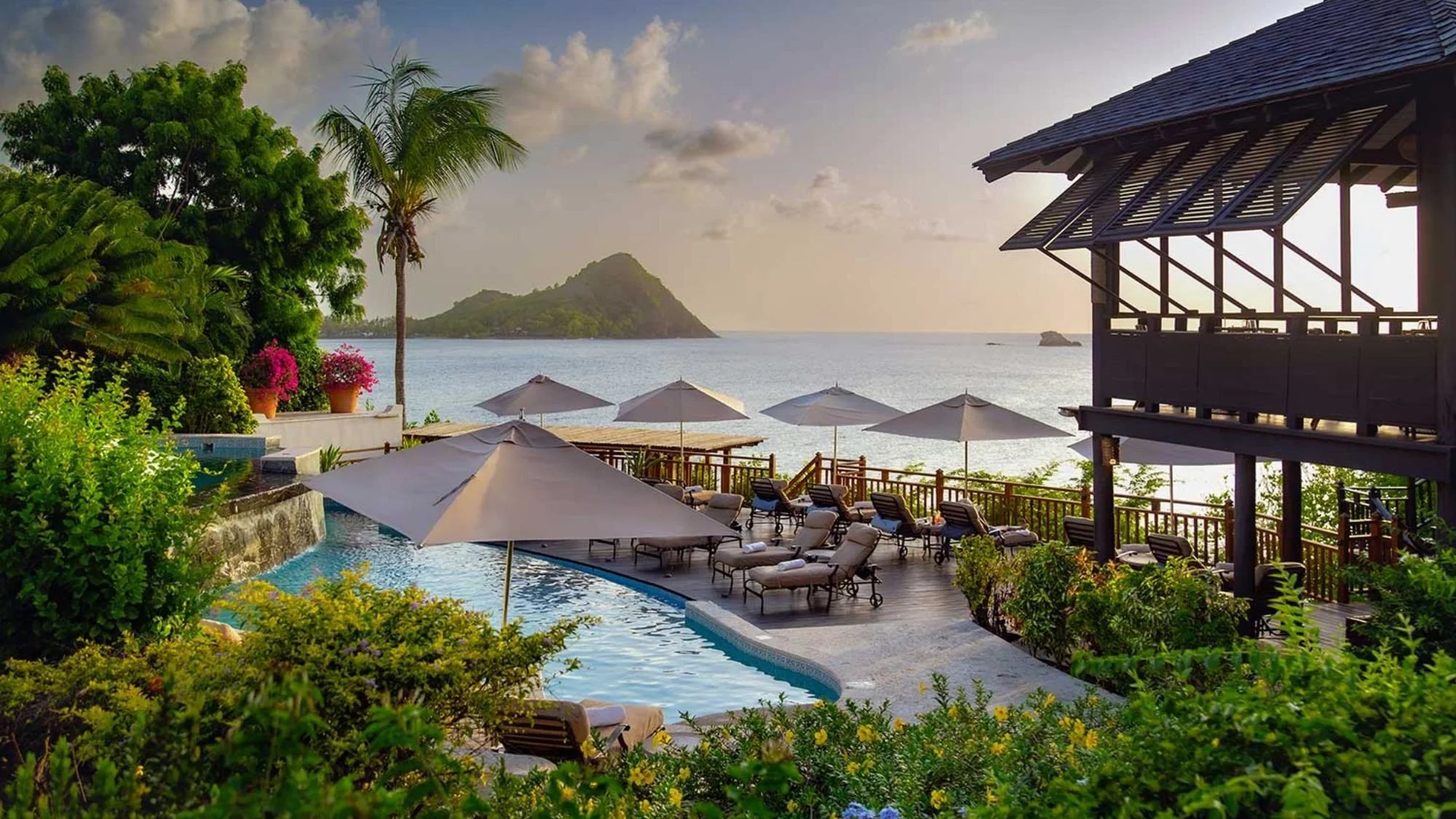
Cap Maison Resort
What the north offers honeymooners:
The best beaches for pure beach days. Reduit Beach in Rodney Bay is one of the finest stretches of sand in St. Lucia — calm, clear water, easy to access, and flanked by restaurants and beach bars. If your honeymoon vision includes long days with nothing to do but read, swim, and sip something cold, the north delivers this beautifully.
Flexibility to explore. Because the north is so accessible, it's easy to venture off the resort without planning a full-day expedition. A local restaurant for dinner, a drive to Pigeon Island National Landmark, a sailing trip, a quick trip into Castries — all of it is within easy reach. For couples who don't want to feel trapped inside a resort, this freedom is meaningful.
A livelier social scene. Rodney Bay has actual restaurants, bars, and Friday Night Jump Up (a weekly street party in Gros Islet that's worth experiencing at least once). If the idea of complete seclusion sounds more isolating than romantic, the north gives you community and atmosphere alongside the resort experience.
Easier, shorter airport transfers. The smaller, closer George F.L. Charles Airport (SLU) in Castries serves some regional routes, but most international travelers land at Hewanorra (UVF) in the south. From UVF to a northern resort is a 1.5–2 hour scenic drive — worth knowing so it doesn't catch you off guard on arrival day. The airport transfer guide walks through all your options in detail.
Best northern resorts for honeymooners:
Sandals Grande St. Lucian is the flagship all-inclusive choice for couples — set on a narrow peninsula with water on three sides, overwater bungalows, and the kind of frictionless romance where everything is handled. It's consistently one of the most popular honeymoon resorts in the Caribbean, and it earns that reputation.
Cap Maison is the boutique alternative for couples who want something more intimate. Just 49 suites, many with private pools or rooftop terraces, perched on a cliff at the northern tip of the island. The Cliff at Cap restaurant is widely considered one of the best dining experiences in St. Lucia. If "boutique luxury with exceptional food" sounds more your speed than "big all-inclusive," Cap Maison is the north's answer.
The South: Soufrière, the Pitons & the Wild Side of the Island
The south is where St. Lucia earns its reputation as one of the most dramatic destinations in the world. The twin Piton mountains — Gros Piton and Petit Piton — rise from the sea near the town of Soufrière, creating a backdrop so iconic it appears on the country's flag. The rainforest is thicker here. The scenery is more intense. The resorts that have chosen to build in this region have leaned all the way into it, and the results are extraordinary.
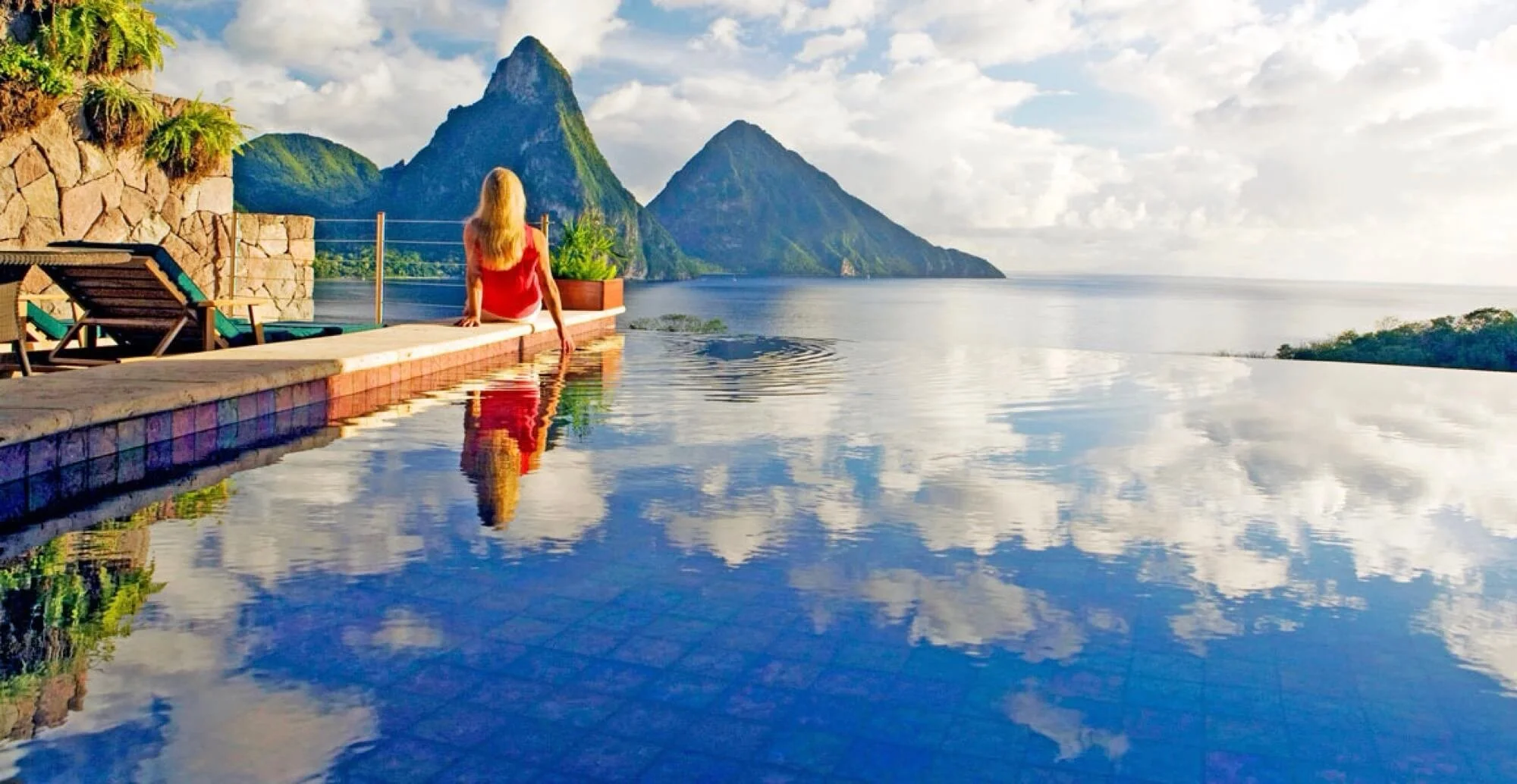
Jade Mountain Resort
What the south offers honeymooners:
The Pitons. If there's one image of St. Lucia that lives in your head, it's probably this — and staying in the south means waking up to it. Seeing those peaks from your infinity pool, from your open-walled suite, from the deck of a catamaran in the bay — it's genuinely one of the most awe-inspiring natural settings on earth. The Piton view premium is real, and for many couples, it's the whole reason they chose St. Lucia in the first place.
Proximity to the island's best natural attractions. The drive-in volcano (Sulphur Springs), Diamond Falls Botanical Gardens, the mineral baths, the rainforest waterfall hikes — all of it is right there. Couples who want to feel immersed in the island rather than simply relaxing beside it will find the south endlessly rewarding. The Top 10 St. Lucia Excursions guide covers these in detail.
World-class snorkeling and diving. The marine reserve off Anse Chastanet Beach is one of the best dive sites in the Caribbean. The underwater landscape rivals the scenery above it — coral formations, tropical fish, and remarkable visibility. For couples who love the water, this is a genuine bucket-list experience that you simply can't access from a northern resort.
Total seclusion. The south is quieter, more rugged, and less developed. There's less to do off the resort by design — and for many honeymooners, that's exactly the point. You're not going to pop out for a casual dinner or stumble into a beach bar. You're going to be immersed in nature, in your property, and in each other. For couples who want to truly disconnect, it's unmatched.
Best southern resorts for honeymooners:
Jade Mountain is the most architecturally dramatic resort on the island — its open-walled sanctuaries literally have no fourth wall, so your suite frames an unobstructed panoramic view of the Pitons and the Caribbean Sea. Every sanctuary has its own private infinity pool. There's no television, no crowds, and very little to distract you from where you are. It is extraordinary in a way that photographs don't fully capture.
Sugar Beach, A Viceroy Resort is nestled between the two Piton mountains in a private UNESCO World Heritage Site. Plunge pool villas on the hillside, a pristine white sand beach, a rainforest spa, and some of the finest dining on the island. For couples splurging on a once-in-a-lifetime honeymoon, Sugar Beach is in a category of its own.
Anse Chastanet is the more casual, eco-luxury counterpart to Jade Mountain — on the same grounds, with access to both properties' beaches, restaurants, and diving. It draws couples who want beauty and adventure in equal measure, with a more relaxed, nature-immersed feel.
How to Decide Which Side Is Right for You
There's no universally correct answer here. But after helping many couples plan their St. Lucia honeymoons, I've found that a few key questions almost always point toward the right choice:
Is seeing the Pitons a non-negotiable for you? If the answer is yes — if that image of twin volcanic peaks rising from the sea is part of your vision of this trip — then the south is your answer. You can see the Pitons on a day trip from the north, but it's not the same as living with that view every morning.
Do you want to explore, or do you want to escape? Couples who are excited about venturing off the resort, trying local restaurants, and having flexibility tend to love the north. Couples who want to fully disconnect — from work, from busyness, from the outside world — tend to find the south's seclusion to be exactly what they needed.
Do you want an all-inclusive or something more boutique? The north has excellent all-inclusive options. The south's most special properties tend to be boutique and non-inclusive. Neither approach is better — but it shapes how you experience the trip day to day. For help thinking through the all-inclusive vs. non-inclusive question, the Best Resorts guide has a full breakdown.
How much does the beach matter? The north has broader, more accessible beaches that are ideal for classic beach holiday days. The south's beaches are beautiful but more secluded — and some properties require a short boat ride or walk to access them.
What's your timeline? If you have five nights or fewer, committing to one side of the island and doing it fully is usually the right move. With seven or more nights, a split stay becomes worth considering.
The Split Stay: The Best of Both Worlds
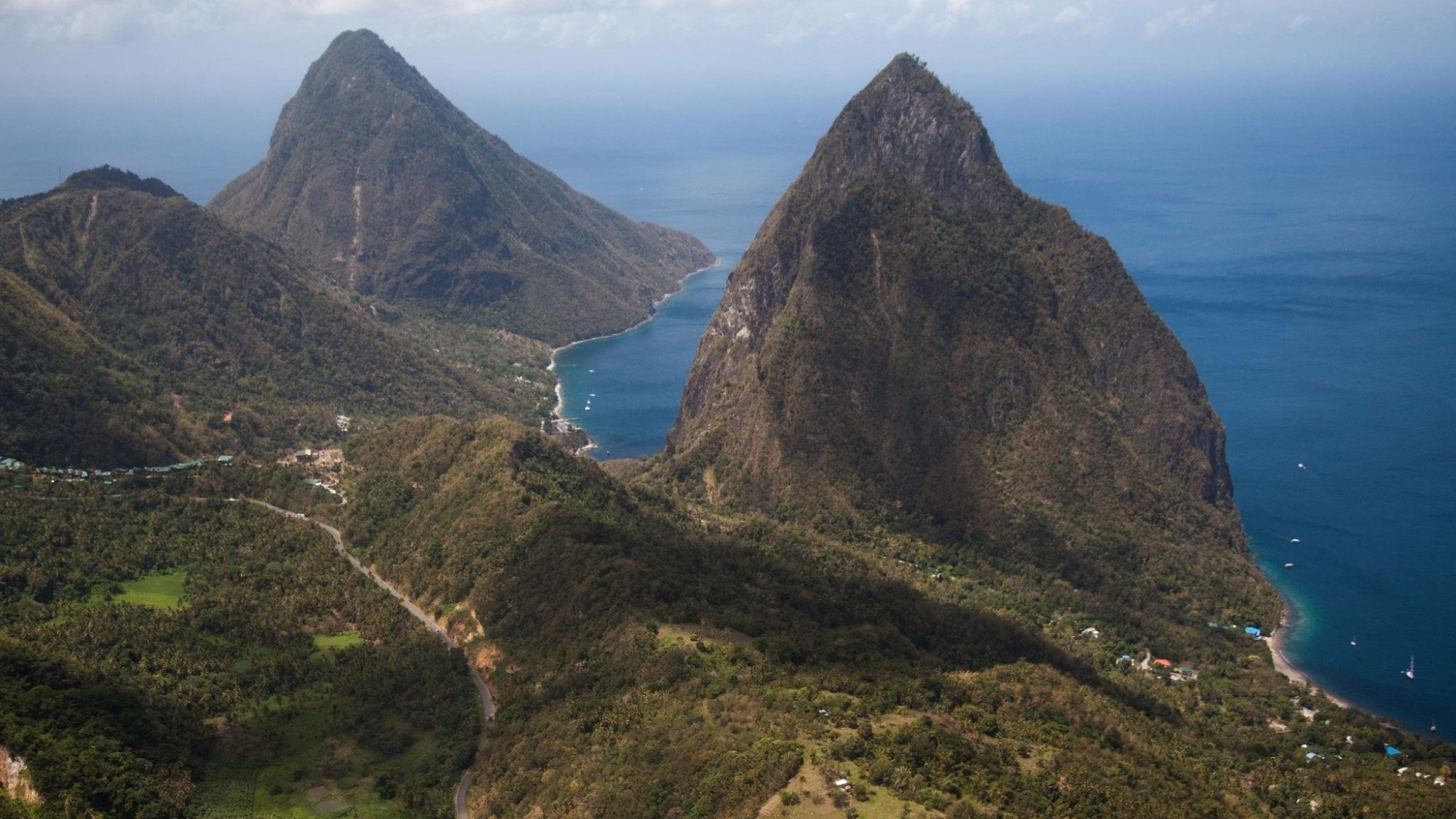
Aerial View of the Pitons
For couples with a longer trip — seven nights or more — doing a split stay between the north and south is something I recommend often, and it consistently ends up being one of the highlights of the whole trip. The idea is simple: you spend part of your honeymoon in one region and part in the other, experiencing both sides of the island rather than just one.
The way you sequence it matters more than most people expect. Starting in the north and ending in the south — with your most dramatic resort as the finale — tends to create a beautiful arc: ease into the island, explore a bit, then settle into total seclusion for the back half of the trip. Others prefer to start in the south (closer to the airport, so you arrive without a long transfer hanging over you), spend their most immersive days there, and then head north to decompress and explore as the trip winds down.
There's no single right approach — it depends on your personalities, your travel style, and what you want the emotional rhythm of the trip to feel like. This is one of my favorite things to think through with couples in the planning process, because getting the sequencing right can make the whole trip feel more intentional and special.
What About the Best Time to Go?
Once you've landed on which side of the island feels right, the next question is usually when to go — and the answer is more nuanced than "dry season is better." The Best Time to Visit St. Lucia guide breaks down the seasons month by month, including when to find the best weather, the fewest crowds, and the best value on resort rates. It's worth reading alongside this one as you start narrowing down your travel dates.
Still Not Sure? That's What I'm Here For.
The north vs. south decision sounds simple on paper, but in practice it depends on a dozen small things that are specific to you — your travel style, your vision for this trip, your budget, your dates, and what you actually want to remember about your honeymoon. There's no generic right answer, which is exactly why it helps to talk it through with someone who knows the island well.
If you're in the planning stages and want a second opinion on which side — and which resort — is right for your honeymoon, reach out here. This is exactly what I love helping with, and I'd be glad to point you in the right direction.