
Ultimate St. Lucia Food & Drink Guide — What to Eat, Where to Dine & Local Culinary Culture
By Lori Parkinson | St. Lucia Food & Culture
St. Lucia’s culinary scene is as vibrant and layered as the island itself. From smoky street food served at roadside stalls to candlelit dinners at cliffside restaurants with Piton views, the island’s food culture reflects centuries of African, French, British, and Caribbean influence — all layered together into something entirely its own.
Whether you’re a foodie looking to eat your way through the island, a couple searching for the most romantic dining experience in the Caribbean, or a curious traveler who wants to understand a destination through its flavors, this guide covers everything you need to know about eating and drinking in St. Lucia.
And if you’re still in the planning stages, be sure to read our guide on the best time to visit St. Lucia — timing your trip around local food festivals and rum harvest season can make a meaningful difference.
St. Lucia’s National Dish: Green Figs & Saltfish
The dish every visitor should try at least once
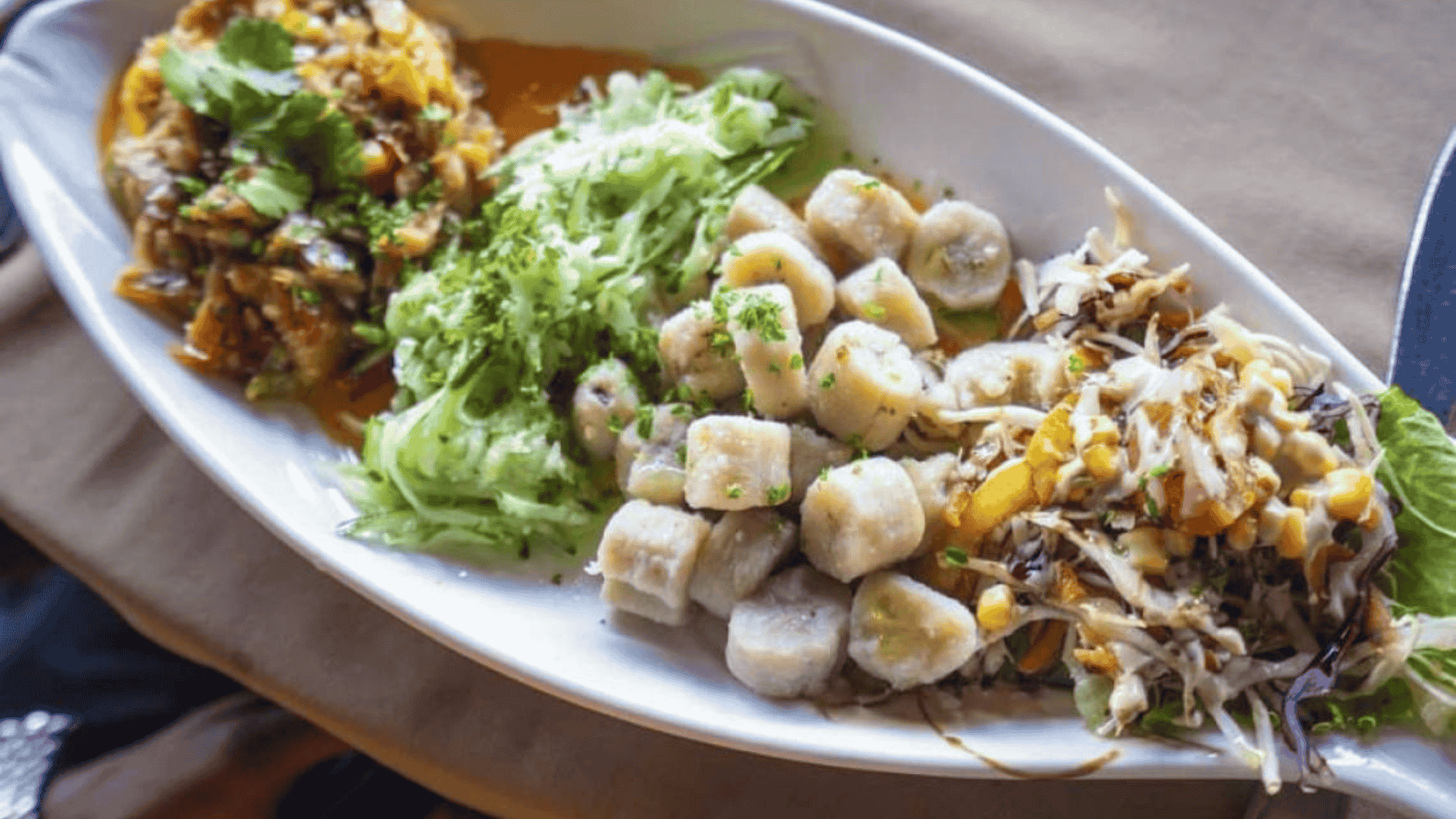
Green Figs and Saltfish
Don’t let the name fool you — “green figs” in St. Lucia refers to unripe green bananas, not the sweet fruit you might be picturing. Boiled until tender and served alongside salted codfish sautéed with onions, peppers, and herbs, this dish is the heart of St. Lucian home cooking.
It’s simple, deeply satisfying, and tells you a lot about the island’s culinary roots — resourceful, flavorful, and rooted in what the land provides. You’ll find it served as a breakfast or lunch staple at local restaurants and roadside spots, particularly in Soufrière and Castries.
Where to find it: Ask for it at any local “coal pot” restaurant or market eatery. The Castries Central Market is one of the best places to try authentic St. Lucian cooking in a casual, open-air setting.
Bouyon: The Stew That Tastes Like Sunday Morning
A one-pot wonder beloved across the island
Bouyon (pronounced boo-YON) is a slow-cooked stew typically made with root vegetables like dasheen, yam, green banana, and dumplings, simmered with salted meat or fish and seasoned with fresh herbs and hot pepper. It’s the kind of food that fills the whole room with an irresistible aroma.
Traditionally served on Sundays, bouyon is deeply tied to family and community life in St. Lucia. It’s hearty, warming, and full of the island’s agricultural heritage. Some versions lean more vegetable-forward; others are rich and meat-heavy. Either way, it’s a must-try.
Where to find it: Local spots in Soufrière and Anse La Raye are your best bet. Friday night fish fry events sometimes feature bouyon alongside fresh-caught fish — a perfect St. Lucian evening.
Anse La Raye Fish Fry: A Friday Night Tradition
One of the most authentic food experiences in the Caribbean
Every Friday evening, the small fishing village of Anse La Raye transforms into an open-air seafood festival. Local vendors line the street with grills and fryers, cooking up just-caught fish, lobster, conch, and shrimp right in front of you. Locals and travelers mix freely, music plays, and the atmosphere is completely unpretentious and utterly joyful.
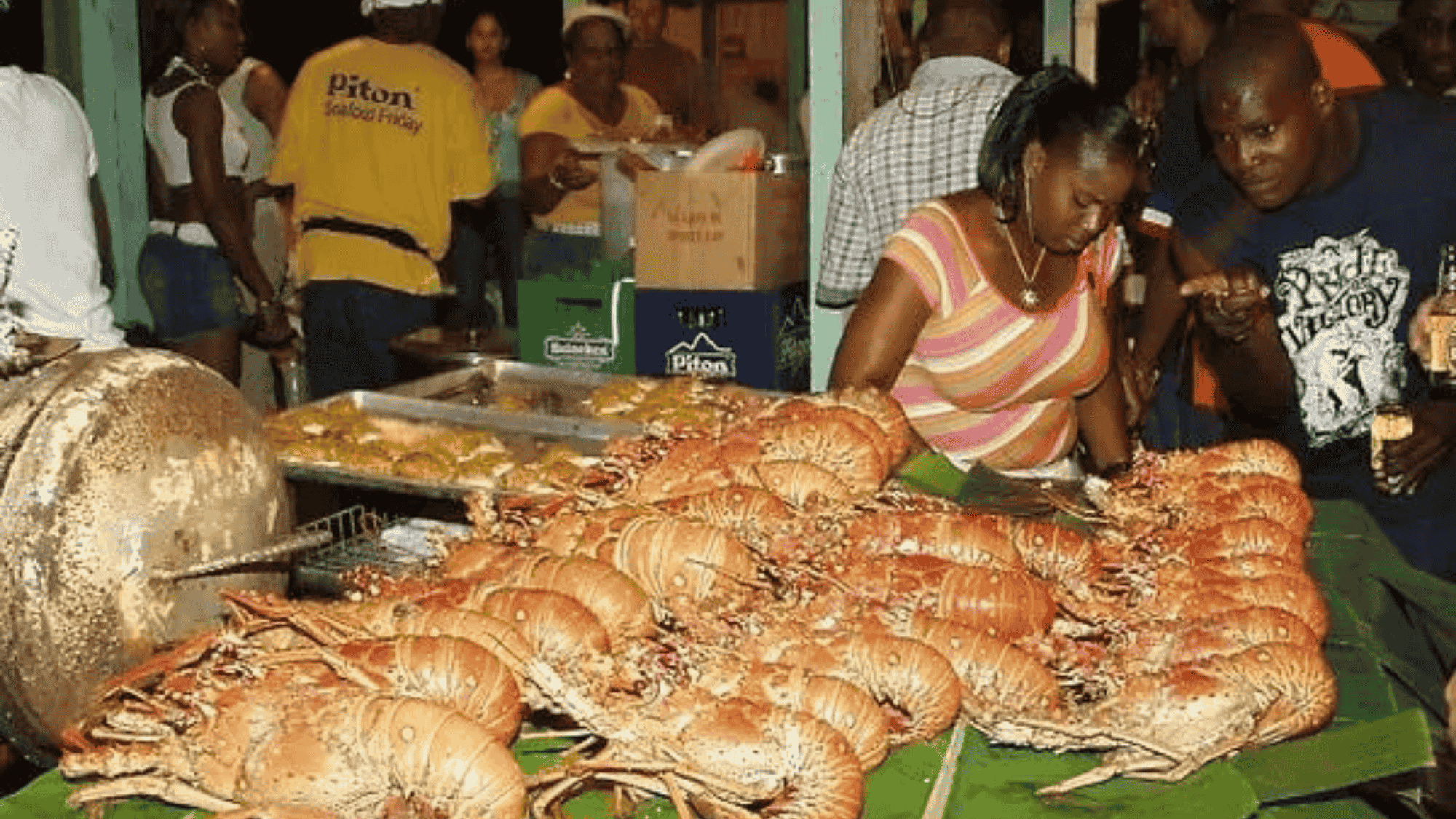
Anse La Raye Fish Fry
This is street food at its finest — fresh, affordable, and cooked with real care. It’s also one of the best ways to experience everyday St. Lucian culture outside the resort bubble.
Go hungry — portions are generous and the temptation to keep ordering is real
Arrive before 7pm for the best selection before things sell out
Bring cash — most vendors don’t take cards
Pair your plate with a cold Piton beer or fresh coconut water
If you’re planning a land itinerary, our Top 10 Excursions in St. Lucia guide can help you structure a southern day trip that ends at Anse La Raye on a Friday.
Other Local Dishes Worth Seeking Out
Beyond the classics — what St. Lucians actually eat
St. Lucian cuisine goes much deeper than its most famous dishes. Here are a few more worth exploring during your visit:
Accra — Deep-fried saltfish fritters, crispy outside and fluffy inside. A common breakfast and snack food.
Callaloo soup — A rich, velvety soup made from dasheen leaves (similar to spinach), often blended with coconut milk, crab, or salt pork.
Roti — Flatbread wrapped around curried chicken, chickpeas, or vegetables. Reflects the island’s South Asian culinary influence and makes for a perfect quick lunch.
Pelau — A one-pot rice dish cooked with pigeon peas, chicken, and coconut milk. Fragrant, comforting, and absolutely delicious.
Bakes — Fried dough rounds, often served at breakfast alongside saltfish or cheese. Think of them as St. Lucia’s answer to a biscuit.
Coconut bread — Dense, slightly sweet, and best eaten warm. A beloved local staple found at bakeries and markets.
Rum in St. Lucia: More Than Just a Drink
The island’s most storied export — and how to experience it properly
Rum is woven into St. Lucia’s culture, history, and economy. The island’s most celebrated distillery, St. Lucia Distillers, produces the beloved Chairman’s Reserve and Admiral Rodney labels — both of which have earned international recognition and loyal followings among rum connoisseurs.
A visit to the distillery near Roseau offers guided tours through the production process, from fermentation and distillation to blending and aging. Tastings are included, and the gift shop is genuinely worth lingering in. This is one of the most popular add-ons for guests staying in the north, and it pairs perfectly with a stop at nearby banana plantations or the Marigot Bay area.
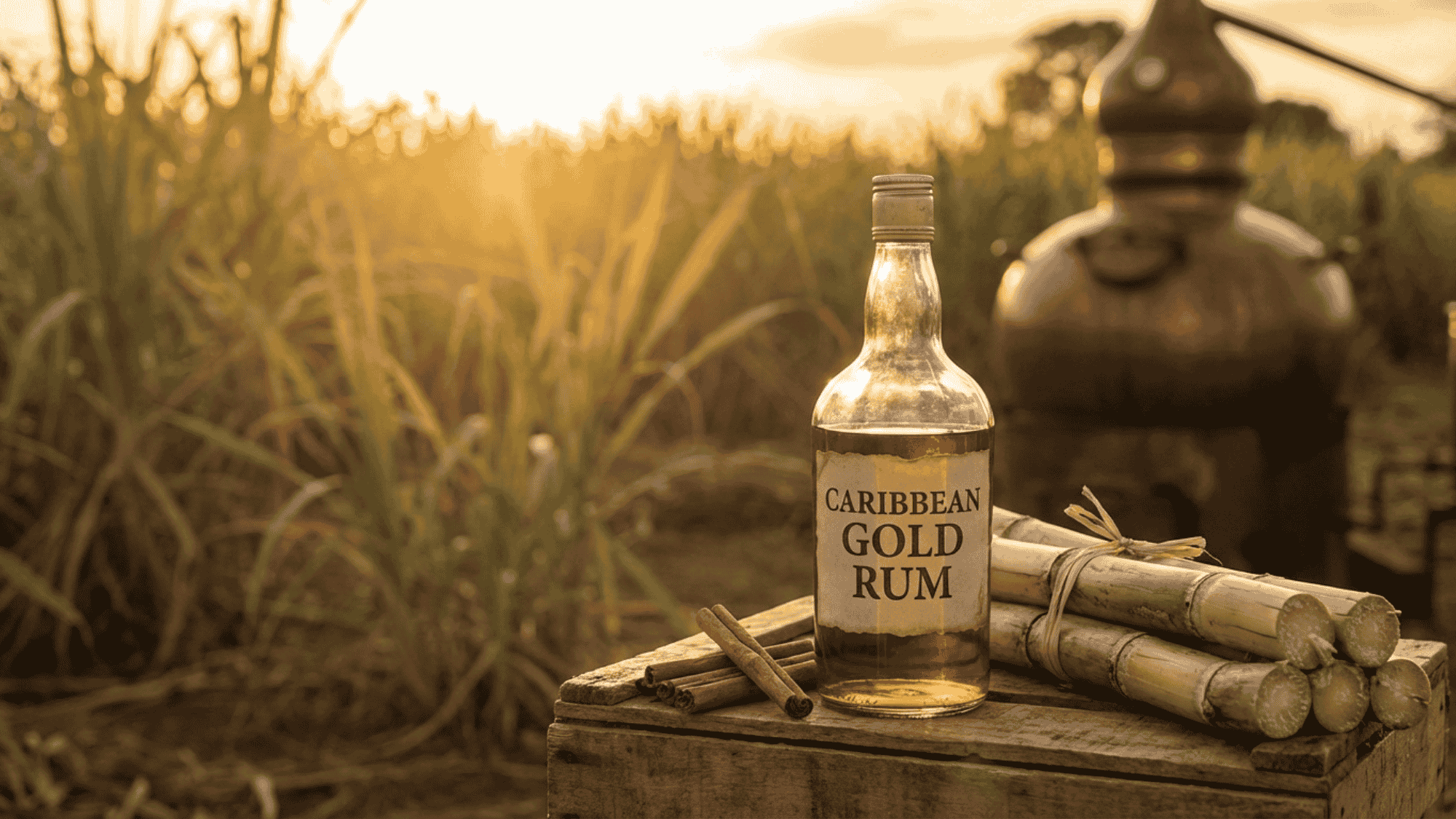
Caribbean Gold Rum
What to look for:
Chairman’s Reserve — the flagship blend; smooth, complex, and highly sippable
Chairman’s Reserve Forgotten Casks — aged longer, richer, and excellent for serious rum drinkers
1931 Rum — a premium limited-edition expression aged in oak casks; a collectors’ favorite
Bounty Rum — the local everyday rum; what most St. Lucians actually drink
💡 Insider Tip: Ask your guide or resort concierge about rum cocktail-making classes — several luxury resorts and private operators offer hands-on rum blending experiences that go well beyond a standard tasting. It’s one of our favorite curated experiences to include in honeymoon itineraries.
Where to Dine: From Local Gems to Luxury Tables
A range of dining experiences for every kind of traveler
St. Lucia has evolved significantly as a culinary destination over the past decade. You’ll find a full spectrum here — from no-frills local spots serving the best food on the island to world-class fine dining with views that make every meal feel like an occasion.
For authentic local cooking:
Castries Central Market — The island’s main market is your gateway to local food culture. Go on a Saturday morning when it’s at its most lively. Vendors sell fresh produce, spices, hot food, and local snacks.
Coal Pot Restaurant, Castries — One of the oldest restaurants on the island, serving Creole and French-influenced dishes in a waterfront setting. A beloved institution.
Anse La Raye Fish Fry — As described above. Don’t miss it if you’re visiting on a Friday.
For a special occasion or romantic dinner:
The Cliff at Cap (Cap Maison) — Dramatic clifftop setting, impeccable service, and a menu that celebrates both European technique and Caribbean ingredients. One of the finest dining experiences on the island.
Jade Mountain Club (Jade Mountain Resort) — Dining here is an event. The open-air restaurant overlooks the Pitons with no walls — just an unobstructed view of one of the most iconic landscapes in the Caribbean.
Boucan by Hotel Chocolat — Set on a working cacao plantation in Soufrière, this restaurant incorporates cocoa at every stage of the meal in inventive and surprisingly delicious ways. Unique to St. Lucia and unlike any dining experience you’ll find elsewhere.
For a relaxed resort lunch or sunset cocktails:
Most of the island’s luxury resorts — including Sandals, Stonefield, and Ladera — have open-air bars and restaurants that welcome outside guests for lunch or sundowners. Ask ahead about their policies, as some require reservations.
Food Tours, Markets & Chef-Led Experiences
Going deeper into St. Lucia’s culinary culture
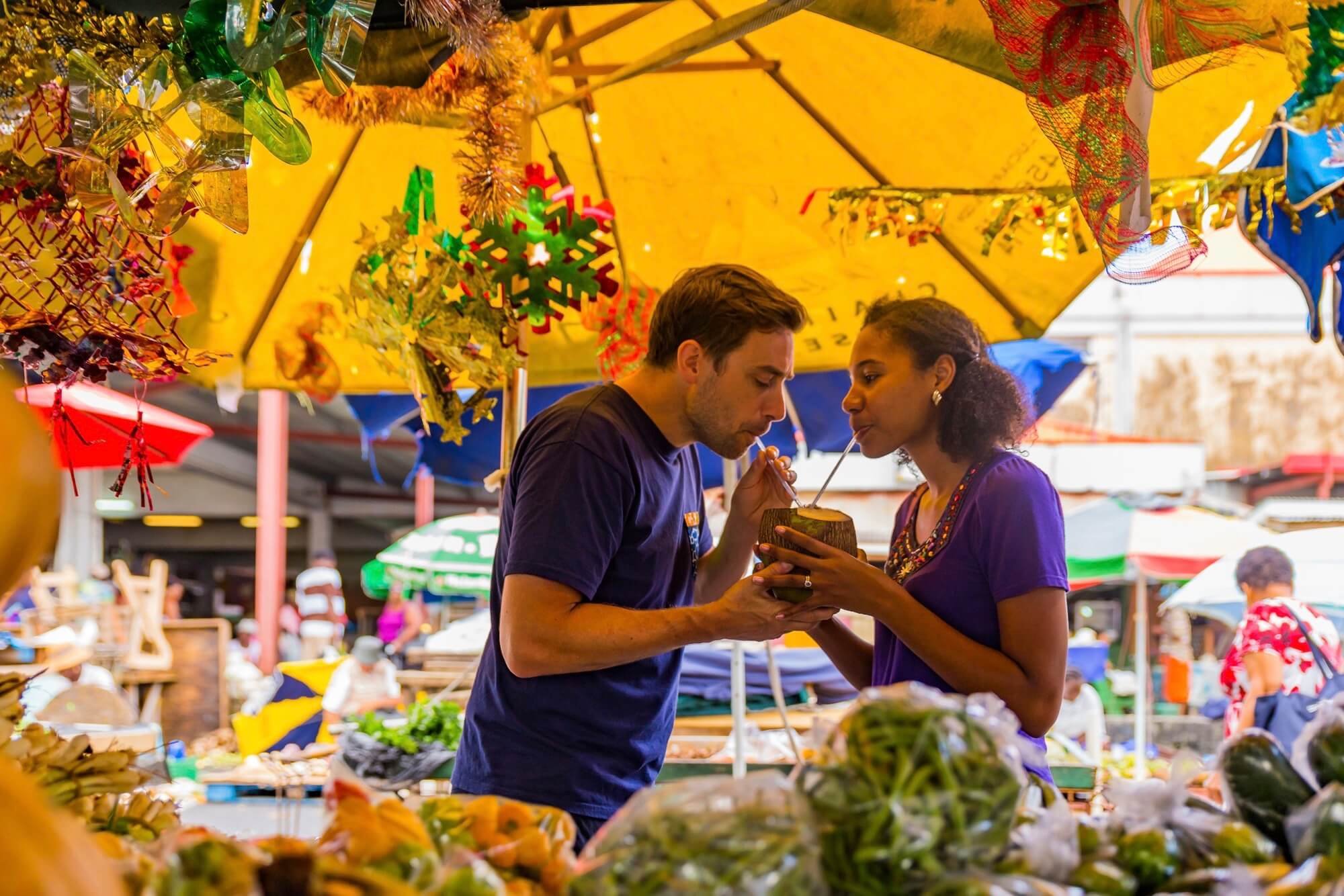
Castries Market
For travelers who want to do more than just eat out, St. Lucia offers a growing number of immersive food experiences that connect you to the island’s agricultural roots and culinary traditions.
Castries Market Tour — Several local guides offer morning market tours that walk you through the stalls while explaining the ingredients, their uses, and the history behind traditional St. Lucian cooking. It’s one of the most affordable and memorable ways to spend a morning on the island.
Chocolate Tours — St. Lucia is home to some of the finest cacao in the world, and bean-to-bar experiences are a genuine highlight for food lovers. Hotel Chocolat’s Rabot Estate and Fond Doux Eco Resort both offer excellent tours through working cacao groves with tastings included. We covered this in more detail in our Top 10 Excursions guide.
Cooking Classes — A handful of operators and private villas offer St. Lucian cooking classes where you’ll learn to prepare dishes like callaloo soup, accra, and pelau from scratch. These are especially popular with honeymooners and small groups.
Rum Distillery Tours — As mentioned above, a guided tour of St. Lucia Distillers is well worth the time, particularly for guests who enjoy the craft spirits world.
Plantation Dinners — Some of the island’s historic plantation estates host private dinners in their grounds, combining Creole cuisine with the atmosphere of St. Lucia’s colonial agricultural past. Ask your travel planner about availability, as these aren’t always widely advertised.
What to Drink Beyond Rum
Refreshing, local, and worth knowing about
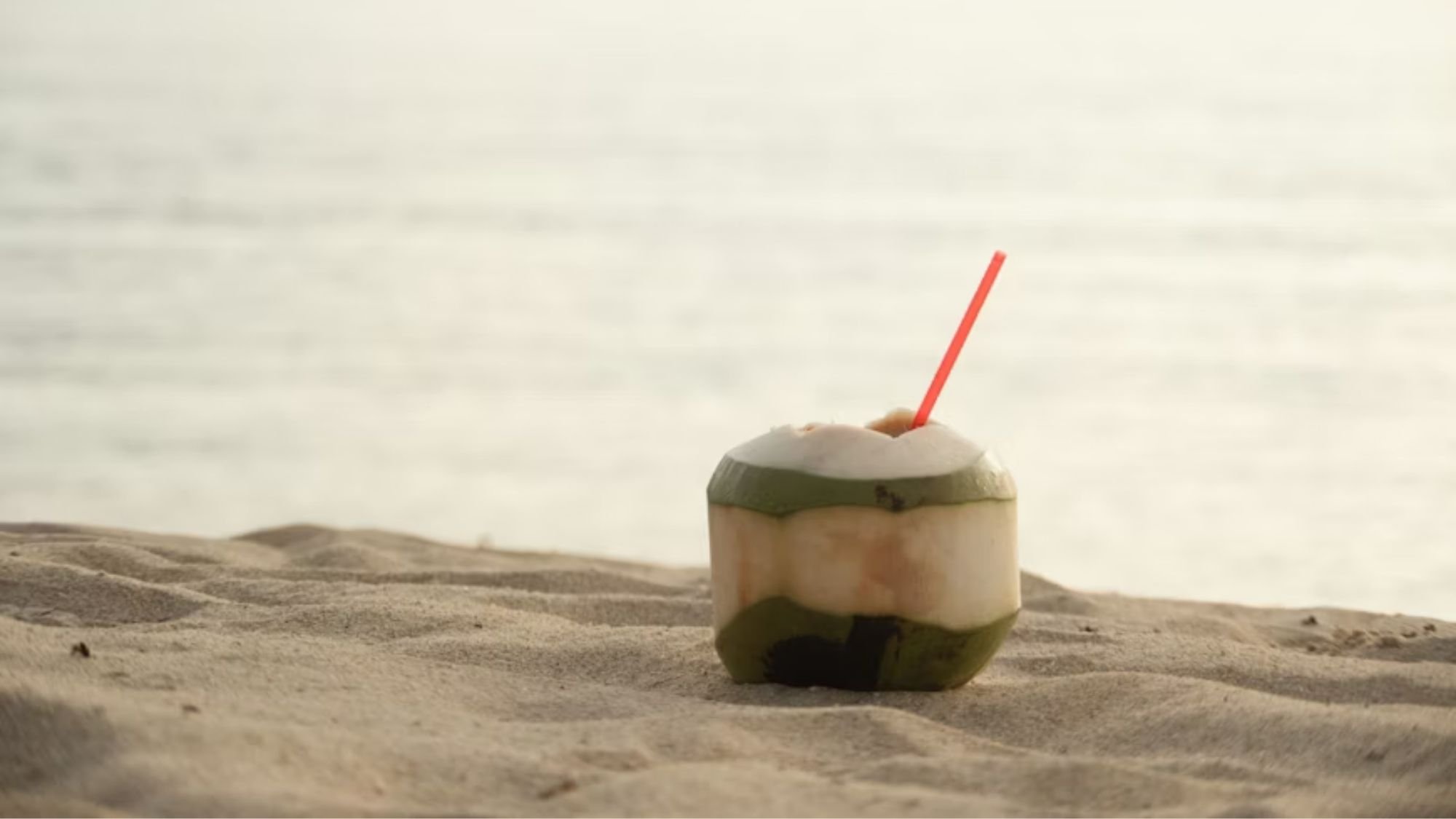
Coconut drink on a sandy beach
Rum gets most of the attention, but St. Lucia’s drink culture extends well beyond it:
Piton Beer — The island’s own lager, brewed locally and served ice-cold everywhere from beach shacks to five-star restaurants. Light, crisp, and perfectly suited to the heat.
Sea Moss Drink — A popular local health drink made from blended sea moss (a type of seaweed), sweetened with condensed milk and spiced with nutmeg. Thick, creamy, and an acquired taste — but a genuine part of local culture.
Fresh Coconut Water — Roadside vendors across the island sell whole coconuts, macheted open on the spot. Cold, hydrating, and about as fresh as it gets.
Sorrel Drink — A deep red hibiscus-based drink, slightly tart and often spiced with ginger and cinnamon. Especially popular around the holidays but available year-round.
Rum Punch — The unofficial drink of the Caribbean. Every resort, beach bar, and restaurant has their own version. Try a few and pick your favorite.
Tips for Eating Well in St. Lucia
Venture beyond your resort. Most luxury resorts offer excellent food — but the best meals on the island are often found at small local restaurants and roadside spots a short drive away. Ask your concierge for honest recommendations, not just the obvious tourist spots.
Eat where locals eat. If a spot is full of St. Lucians at lunchtime, that’s your sign. The food will be fresh, generous, and priced very fairly.
Try everything at the market. Castries Market vendors are generous with samples. Use the opportunity to taste unfamiliar fruits and spices — soursop, breadfruit, christophine — before you buy.
Ask about the catch of the day. St. Lucia’s fishing boats go out daily, and fresh fish — flying fish, mahi-mahi, snapper — is almost always on the menu at local restaurants. It’s almost always the best thing on the menu.
Pace yourself with hot pepper. St. Lucian food can be spicy. Scotch bonnet peppers are used liberally in some dishes. If you’re sensitive to heat, ask before digging in.
Plan Your Culinary St. Lucia Experience
Food is one of the most meaningful ways to connect with a destination — and St. Lucia’s culinary scene is rich enough to be a genuine reason to visit. Whether you’re sipping Chairman’s Reserve on a plantation, eating grilled snapper at a Friday night fish fry, or watching the Pitons disappear into clouds from a candlelit table, the island knows how to feed you well.
If you’re in the early stages of planning your trip and want help building an itinerary that includes authentic food experiences alongside the island’s best excursions and resorts, reach out — we’d love to help.
And for more inspiration, explore these related guides: